








In an increasingly data-driven business landscape, companies are seeking innovative tools to sharpen their marketing strategies and maximize outreach efficiency. Customer segmentation software has emerged as a pivotal element in understanding and catering to diverse customer profiles. For organizations striving to remain competitive and relevant, mastering customer segmentation can lead to significant improvements in customer satisfaction and retention.
The Role of Customer Segmentation Software
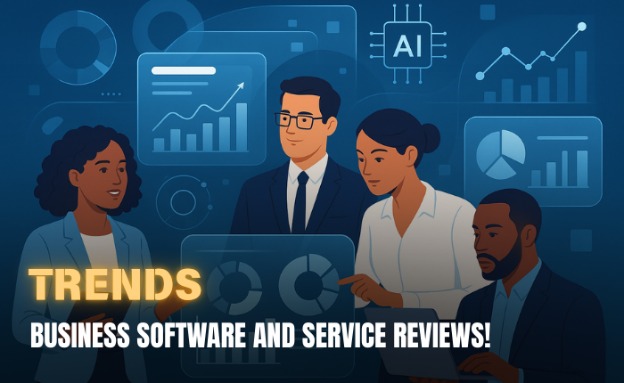
Alt text: A team looks at data surfaced by a customer segmentation software tool
At its core, customer segmentation software serves to break down a business’s customer base into distinct groups based on various attributes such as behavior, demographic, and purchasing patterns. This can drastically improve marketing efficiency by enabling companies to tailor their messaging and product offerings to suit specific segments.
Implementing a customer segmentation software tool facilitates a more organized approach to marketing efforts. Using software like Adestra, marketers can allocate resources more strategically, focusing on the segments with the highest potential for conversion or the most significant customer lifetime value.
Moreover, the use of customer segmentation software promotes insights into emerging market trends and customer needs. By analyzing the data gathered, businesses can predict and adapt to changes in customer behavior more swiftly. This predictive capability is crucial for sustaining growth and maintaining a competitive edge in today’s fast-paced market environments.
Finally, the value of personalization cannot be overstated. A segmentation tool allows for high levels of customization in customer outreach efforts, fostering improved engagement and loyalty. When customers feel that a brand acknowledges their unique needs and preferences, they’re much more likely to respond positively, resulting in increased sales and brand advocacy.
How Customer Segmentation Software Empowers Targeted Marketing Campaigns
Targeted marketing campaigns are essential for businesses looking to connect with their audience in a meaningful way. Customer segmentation software enriches these campaigns by providing a detailed breakdown of customer groups, which can be used to design highly relevant messages and offers.
Segmentation also enables dynamic content personalization. By understanding what drives different segments, companies can create content that appeals directly to the interests and desires of those customers. For example, email marketing campaigns can be customized with specific language, offers, and product recommendations based on the known preferences of each segment.
The flexibility provided by customer segmentation tools means that businesses can test and refine their approaches in real-time. With instant feedback on the performance of different strategies across various segments, marketing teams can quickly shift gears and optimize their efforts for better performance. This agile approach to marketing is increasingly necessary to stay attuned to evolving consumer expectations.
Additionally, segmentation software supports the identification of niche markets that may have been previously overlooked. By tapping into these smaller, more specific groups, businesses can discover new revenue streams and create more comprehensive strategies that encompass a wider range of customer needs and potentials.
Integrating Customer Segmentation Software with Multichannel Marketing Strategies
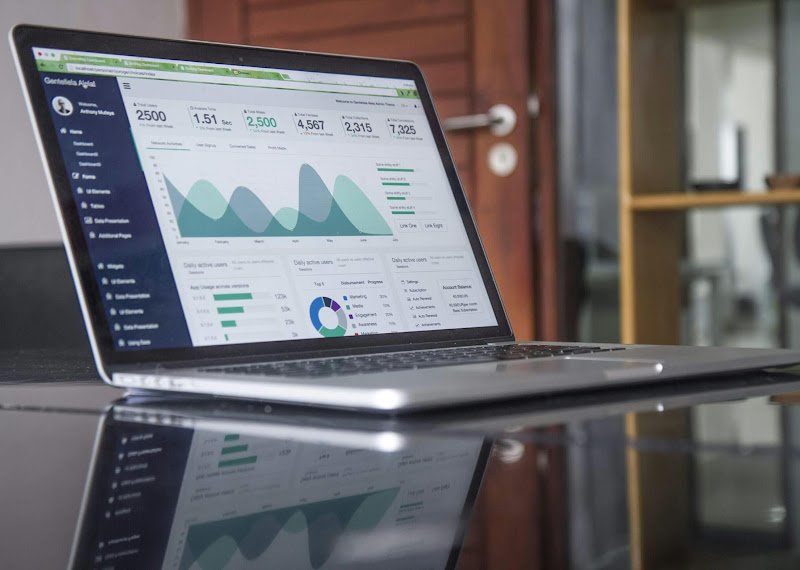
Alt text: Analysts study data produced by a customer segmentation software tool
Today’s consumers engage with brands across multiple channels, making it imperative for businesses to present a consistent and personalized experience on every platform. Integrating customer segmentation software with multichannel strategies allows for a seamless transition of the customer journey from one touchpoint to another. This integration ensures that customers receive relevant information whether they’re on social media, browsing a website, or receiving an email.
Furthermore, multichannel integration means that the effectiveness of each channel can be assessed in context with the customer segments it targets. By analyzing performance data, companies can understand which channels work best for specific segments and adjust their strategies to fit the channel preferences and behaviors of their customers.
Segments also benefit from tailored incentives and rewards programs. For instance, a segment identified as loyal customers could receive exclusive offers across different channels, while a segment of new customers might see targeted ads aiming to convert first-time purchases into ongoing relationships.
A cohesive multichannel approach using segmentation software also provides a holistic view of customer interactions. This offers invaluable insights into the customer journey, highlighting potential friction points and opportunities to enhance the overall experience, which ultimately cultivates customer satisfaction and loyalty.
Altogether, the integration of customer segmentation software into marketing strategies is not just a beneficial move—it’s a transformative one. Leveraging customer segmentation to its fullest potential paves the way for informed, nimble, and customer-centric marketing that resonates in today’s complex and evolving market.
Keep an eye for more latest news & updates on Greek Buzz!